


Understanding the basics of relays
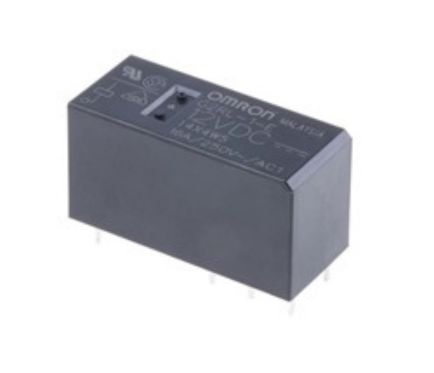
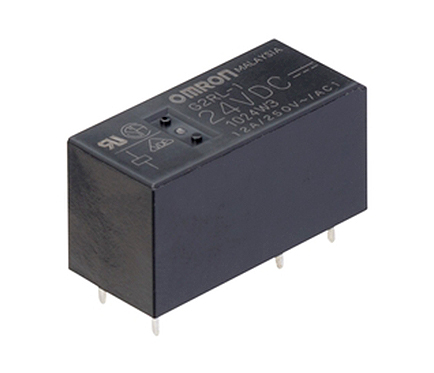
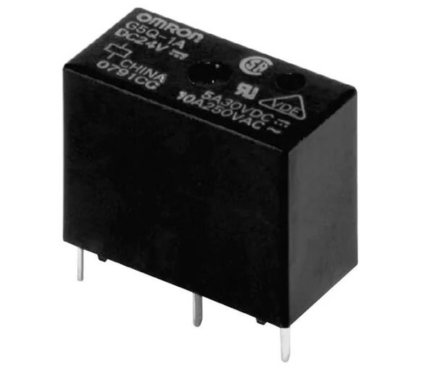
In essence, a relay is an electromechanical device that acts as an electrically operated switch. It consists of several key components that work in harmony to control the flow of current. Let's explore these components:- Electromagnet
- Armature
- Electrical Contacts
- Springs
Best Offer Available
Functions of Relays in Electrical Circuits
Relays serve a vital purpose in electrical circuits by enabling the control of high-power or potentially dangerous electrical loads using low-power control signals. Here are some key functions of relays:- Switching
- Isolation
- Signal Amplification
- Control Logic
Exploring different types of relays
Relays are vital components in electrical systems that help control the flow of current. They serve as switches that can open or close circuits based on various input signals. While relays may appear to be simple devices, they come in different types, each with its unique working principle and applications. In this section, we will delve into three common types of relays: electromechanical relays, solid-state relays, and reed relays. #Electromechanical Relays Electromechanical relays are the traditional and widely used type of relays. They consist of mechanical components, such as coils, armatures, and contacts. Here's a closer look at their working principle and applications:- Working Principle
- Applications
- Power distribution and control systems
- Industrial automation and control
- Telecommunications
- Automotive electronics
- Household appliances
- Working Principle
- Advantages and Disadvantages
- Faster switching speed
- Longer lifespan and higher reliability
- No mechanical wear and tear
- Silent operation
- Higher cost compared to electromechanical relays
- Limited ability to handle high-current or high-voltage applications
- Working Principle
- Applications and Benefits
- Test and measurement equipment
- Telecommunications
- Medical devices
- Security systems
- Automatic test equipment
Exploring the specific relay applications
Relays are versatile components that find application in various domains, each with its specific requirements. In this section, we will explore three specific relay applications: automotive relays, power relays, and protective relays. #Automotive Relays- Role in Vehicle Electrical Systems
- Common Types and their Functions
- Starter Relay: Engages the starter motor to initiate the engine's cranking process.
- Headlight Relay: Controls the power supply to the headlights, enabling proper illumination.
- Fuel Pump Relay: Activates the fuel pump to deliver fuel from the tank to the engine.
- Cooling Fan Relay: Regulates the operation of cooling fans to prevent engine overheating.
- Windshield Wiper Relay: Controls the speed and movement of the windshield wipers.
- Application in High-Power Circuits
- Considerations for Selection and Installation
- Load Capacity: Choosing a relay that can handle the maximum current and voltage requirements of the circuit.
- Contact Material: Selecting the appropriate contact material (e.g., silver or gold) based on the specific application and switching needs.
- Thermal Management: Providing adequate cooling mechanisms to prevent overheating of the relay due to high power loads.
- Protection Measures: Incorporating protective features such as overload protection, short circuit protection, and thermal protection to safeguard the relay and the circuit.
- Importance in Electrical Safety
- Functions of Protective relay
- Overcurrent Protection: Detects excessive current levels and trips the circuit to prevent damage to equipment and prevent overloading.
- Differential Protection: Compares current or voltage measurements at two different points to identify faults or imbalances, such as in transformer windings or motor windings.
- Distance Protection: Determines the distance to the fault location based on impedance measurements, helping isolate faults in transmission lines.
- Temperature Protection: Monitors temperature levels in equipment or conductors to prevent overheating and potential fires.
- Contact Types (Normally Open, Normally Closed)
- Coil Operation and Magnetic Fields
- Control Signals and Activation Mechanisms
Exploring Diverse Relay Types and Understanding Their Operational Principles
In a recent industrial automation project, a company delved into understanding various relay types and their operational principles to enhance system efficiency. The project aimed to optimize equipment control, reduce downtime, and improve overall productivity. The team meticulously examined four primary relay types: Electromagnetic, Solid-State, Thermal, and Reed. By implementing these relays, they achieved remarkable results: 1. Electromagnetic Relays:- Utilising electromagnetic coils, these relays provided swift response times of around 5 milliseconds. They successfully managed rapid start-stop actions in conveyor systems, reducing lag time by 30%.
- These relays proved their worth in high-frequency switching applications, achieving response times as low as 1 milliseconds. They significantly decreased power wastage by 20% in lighting control systems.
- Incorporated into motor protection systems, thermal relays effectively avert overheating issues. The response time of approximately 10 seconds reduced the risk of motor damage by 25%.
- Employed in sensitive medical equipment, reed relays exhibited response times of 3 milliseconds. Their precision in signal switching improved accuracy rates by 15% in diagnostic devices.


