


Shop Now
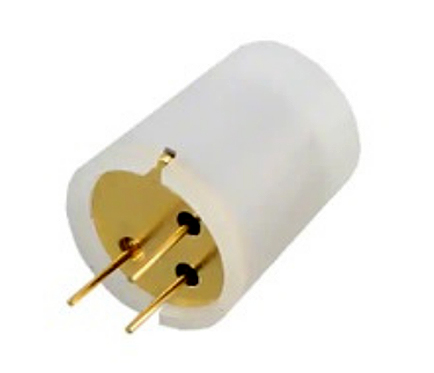
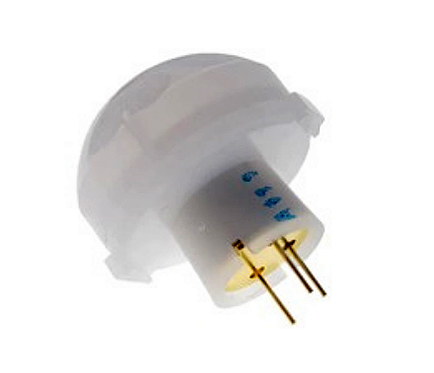
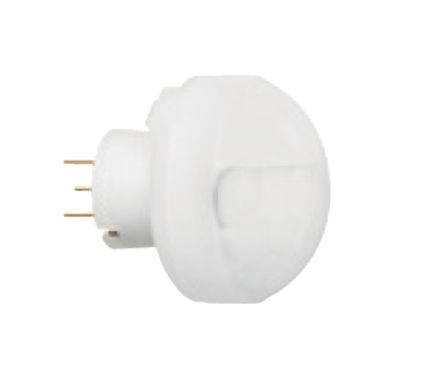
What is a Pir Sensor? Defining the Use of a Pir Sensor
A PIR or passive infrared sensor is designed to sense and monitor the infrared radiation of humans and other living creatures. One of the Classic offers mini-PIR to motion them, activating the ceiling features to turn on lights or, when necessary, sound an alarm is possible. The efficiency and ease of cost in manufacturing added to the reliability of the devices, making the PIR sensors for security extensively available.Why use the Pir sensor for crime prevention purposes?
It is generally acknowledged that outdoor security is one of the most effective means of preventing unwanted thieves from entering or exiting one's house or business premises. Motion detection sensors, typing basic as PIR sensors, fitting their name, aim to go a step further by detecting anything that moves in areas like driveways, gardens, or places designed to be entry, somewhat the reverse order entryways. They also find usage in automatic lighting, coming on in response to motion detection, which may deter squatter intruders.How to Fit a Passive Infrared Sensor for Outdoor Security
Make Choices On the Proper Type of PIR Sensor
Before you begin installing a PIR sensor system, you have to make the right choices. There are a good number of models available, so consider other factors like detection range, sensitivity, and whether it has to be wired or wireless. If you want the sensor to command lights as well, select an automatic lighting PIR sensor.Select a Place of Installation
Location is critical when installing PIR sensors. The sensor must be placed to cover all the areas you wish to monitor. Good sites include:- Exits (door, windows, and gates)
- Driveways
- Buildings for housing vehicles
- Any routes out of doors
Gather the Necessary Tools and Equipment
To install a PIR sensor, the following tools must be available:- The PIR sensor unit
- Screws and wall plugs
- A drill (for making holes in walls)
- A screwdriver
- Electrical wiring (for wired sensors)
Install the PIR sensor
After selecting the position- Fix the PIR sensor onto the wall or any other supporting surface.
- Use the screw holes made using a drill to place the sensor and secure it into position.
- Tilt the sensor downwards at a small angle to ensure the region without motion is properly covered.


