

Unveiling the Wonders of PIR Motion Sensors: Applications, Working Principle, and Range
PIR (Passive Infrared) sensors, the unsung heroes of motion detection technology, offer a myriad of applications due to their small size, cost-effectiveness, low power consumption, ease of use, and durability. Widely integrated into appliances and gadgets for homes and businesses, PIR sensors play a crucial role in security alarms, automatic lighting systems, and various motion detection applications. In this comprehensive guide, we delve into the working principle of PIR sensors, their applications, and the impressive range they offer.Shop Now
What is a PIR Sensor?
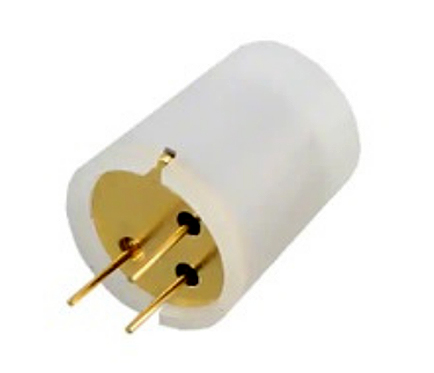
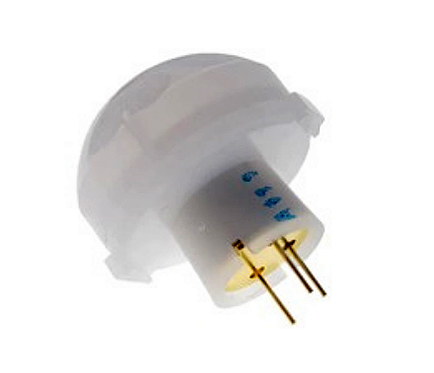
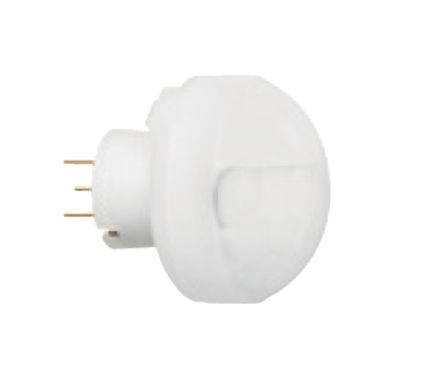
A Passive Infrared (PIR) sensor is an electronic device designed to measure infrared light radiating from objects. Primarily used in PIR-based motion detectors, security alarms, and automatic lighting systems, these sensors have a simple yet effective pin configuration. The PIR sensor consists of three pins, making it easy to understand and work with.How Does a PIR Sensor Detect Motion?
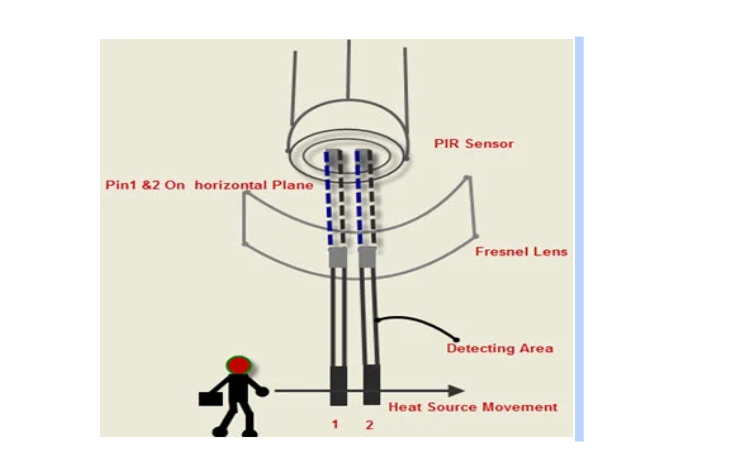
The magic lies in the ability of PIR Motion sensors to detect variations in infrared radiation levels. These sensors are equipped with a pyroelectric sensor capable of sensing different levels of infrared radiation emitted by objects. Unlike active sensors, PIR sensors do not emit energy; instead, they passively receive it. When a human or animal passes by, intercepting the sensor's field, a positive differential change occurs between the two bisects. As the subject leaves the sensing area, a negative differential change is generated. This interaction triggers the sensor to detect motion.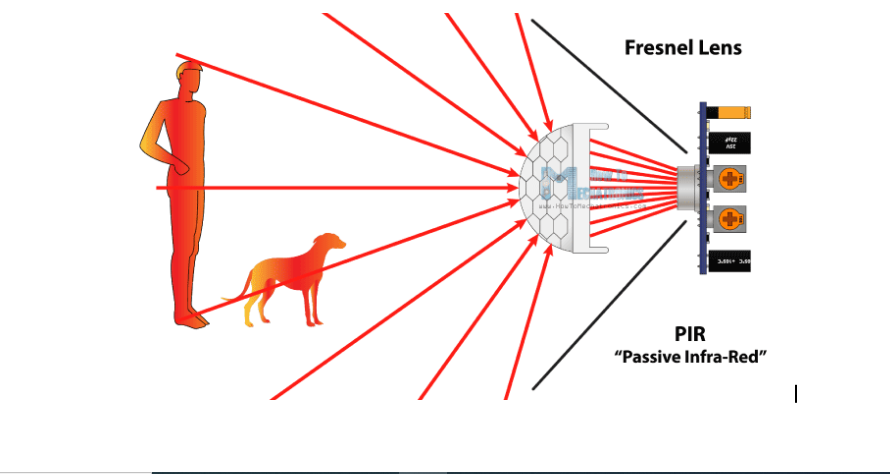
PIR Sensor Working Principle:
Passive Infrared sensors do not emit energy into space. Instead, they receive infrared radiation from objects, particularly the human body, to initiate an alarm. Objects with a temperature above absolute zero consistently radiate infrared rays into their surroundings. The human body, with a surface temperature between 27°C and 36°C, emits most of its radiant energy in the wavelength range of 8 μm to 12 μm. In the detection area, the PIR sensor's lens receives infrared radiation energy emitted by the human body, even through clothing. This energy is then focused on the pyroelectric sensor. When a human body moves within the sensor's field of view and subsequently exits, the pyroelectric sensor registers temperature changes, generating an alarm signal.