


What are thermal sensors and how do they work?
Thermal sensors, also known as infrared sensors or thermal imaging sensors, are sophisticated devices that detect and measure the thermal radiation emitted by objects and convert it into a visual representation. Unlike traditional cameras that capture visible light, thermal sensors operate in the infrared spectrum, allowing them to detect heat signatures emitted by objects and individuals. The working principle of thermal sensors is based on the fact that all objects emit thermal energy in the form of infrared radiation. These sensors contain an infrared detector that can detect and measure this radiation. The sensor captures the infrared radiation emitted by the objects in its field of view and converts it into an electrical signal. This signal is then processed and transformed into a visual image, commonly known as a thermal image or thermogram. The resulting image displays varying levels of heat as different colors or shades, providing valuable insights into temperature variations and heat distribution.Best Offer Available
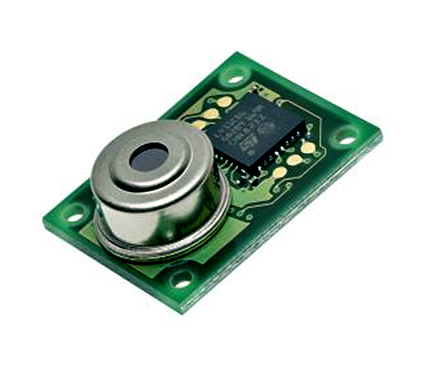
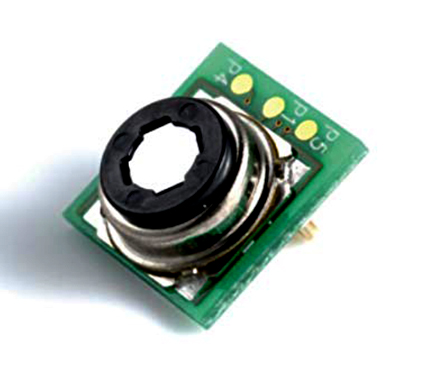
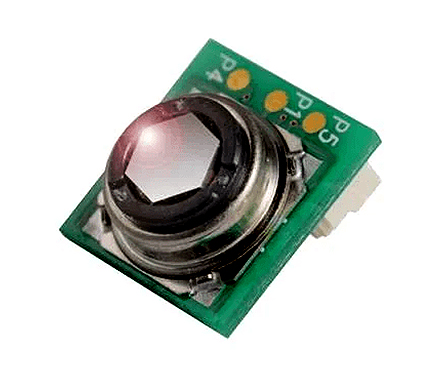
Types of thermal sensors commonly used for human detection
- Uncooled thermal sensors
Application of human detection through thermal sensors
As thermal sensor technology continues to evolve, companies anticipate even more innovative applications and advancements in the field of human detection. The power of thermal sensors helps create safer, more efficient environments, and improve the overall well-being of individuals in various contexts. Some of the applications of these sensors are:- Security and Surveillance Systems
Benefits of Human Detection with Thermal Sensors
Thermal sensors offer numerous benefits when it comes to human detection, making them an attractive option for a range of applications.-
- They provide cost-effectiveness and ease of installation. Compared to complex systems, thermal sensors are relatively affordable and can be easily integrated into existing infrastructure without significant modifications.
- Thermal sensors detect the heat signatures emitted by humans, ensuring that no personally identifiable information is captured. This makes them a privacy-conscious choice, especially in sensitive environments.
- They are not affected by factors such as lighting conditions, smoke, or dust, making them suitable for both indoor and outdoor applications. Their ability to function effectively in challenging environments enhances their reliability and utility.
- Thermal sensors also minimize false positives and offer improved accuracy. By laying focus on heat emissions, they can differentiate between humans and other objects, reducing the likelihood of false alarms. This enhances the overall efficiency of human detection systems and reduces unnecessary disruptions or alerts.


