


What is a Pressure Switch?
What are the Key Components?
How Do the Pressure Switches Work?
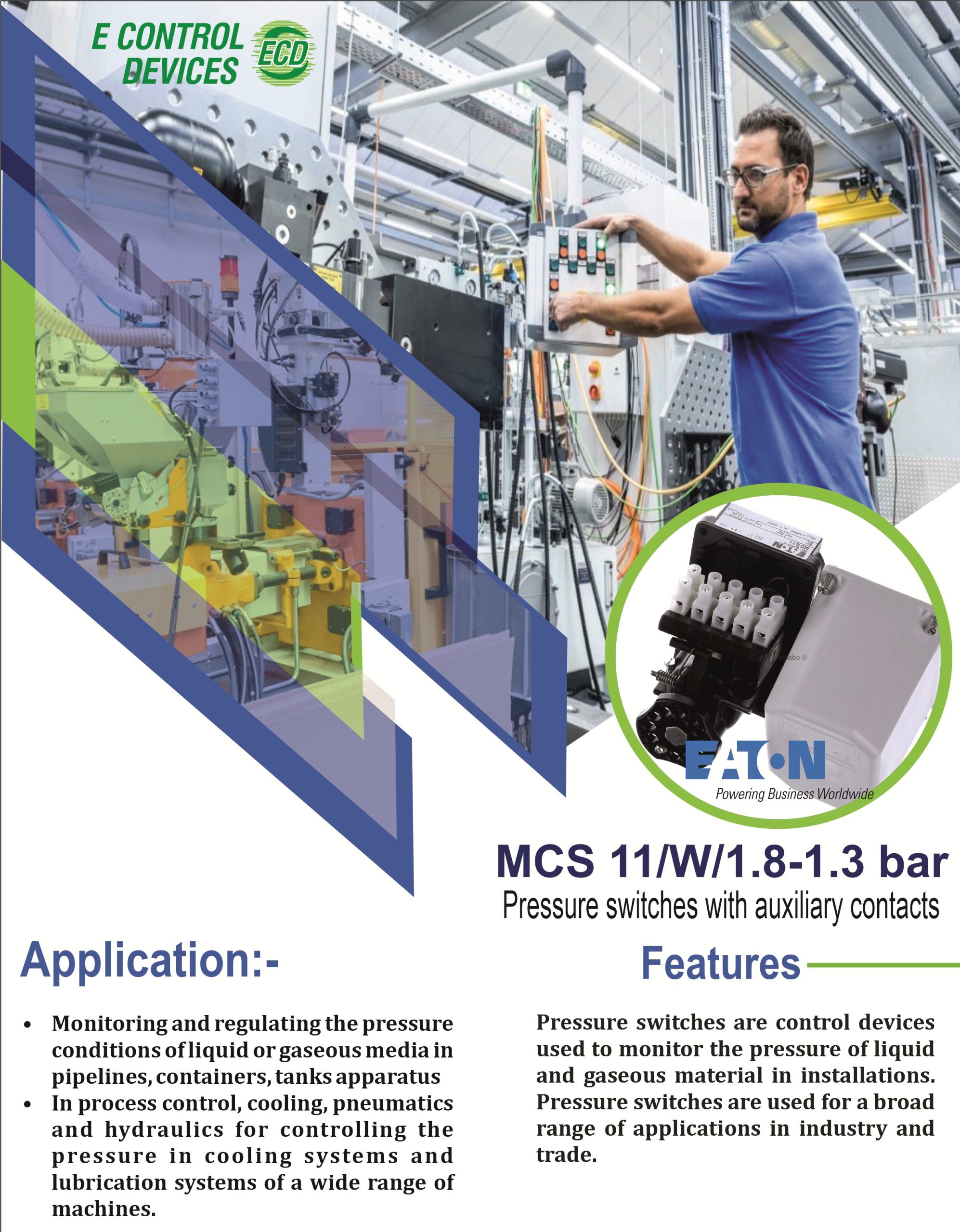
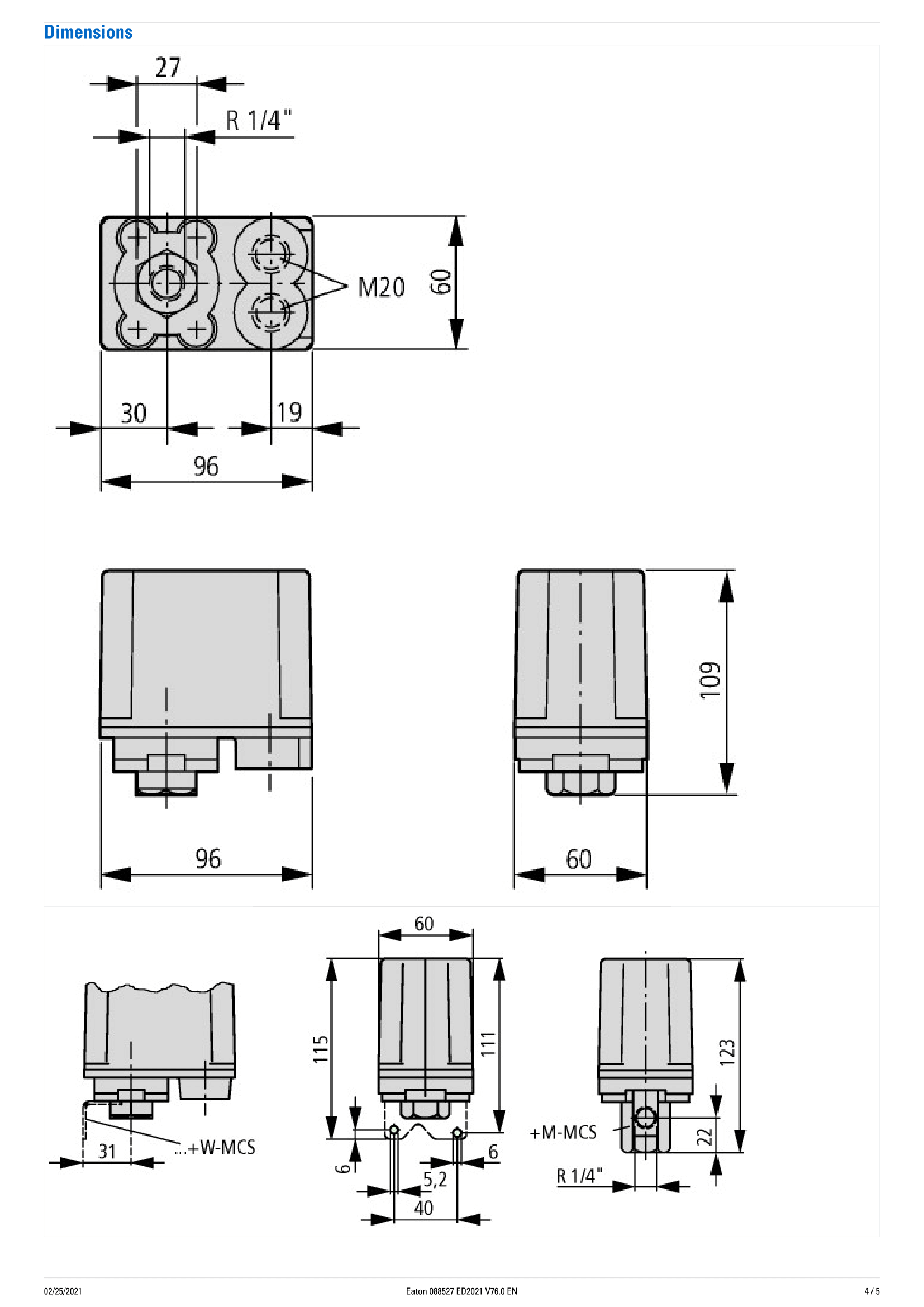
The working principle of pressure switches is very simple, it can also be understood as working as a pressure sensor that measures the pressure in any process and provides the reading for further action. Proper and accurate pressure monitoring is required in some applications for several reasons including safety. There are different types of these switches available in the market and each comes with some qualities and benefits over the other. Their working will remain similar apart from some of their features that might vary with each application and its requirements. Let’s talk about how it's working; we take the Moeller pressure switch MCS11 from Eaton as the example here. The pressure switch monitors and controls the demands of a machine that is constantly working under extreme conditions. It is one of the most reliable devices that provide accurate results in processes like oil and water pipelines. Industrial settings require a range of monitoring and controlling devices to ensure the process. The pressure switches by a range of variably adjustable pressures. The pressure switch price MCS11 has the protection certification IP 55 that is required for the insulating material and has an impact-resistant cover. When used this, it allows the person to save cost by minimizing the wiring as there is no need for the protective conductor. The pressure ranges can be different for each process and selected up to 22 bars to match the requirements.What are the Use Cases and Application Areas of Pressure Switches?
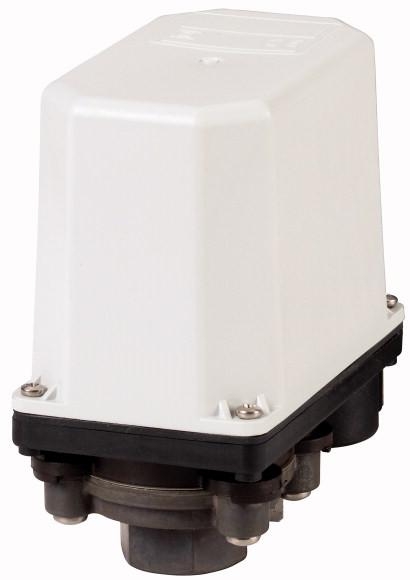 Companies and applications are always on the lookout for reliable pressure switches. For example, the Moeller MCS11 dies to provide reliable and accurate readings. The companies that have crucial processes rely upon and trust its performance. There can be several use cases for using pressure switch MCS 11 and some of these conditions are:


