


Best Offer Available
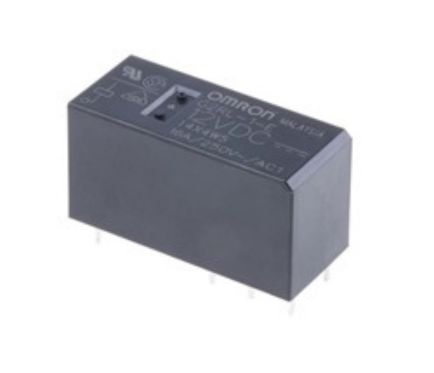
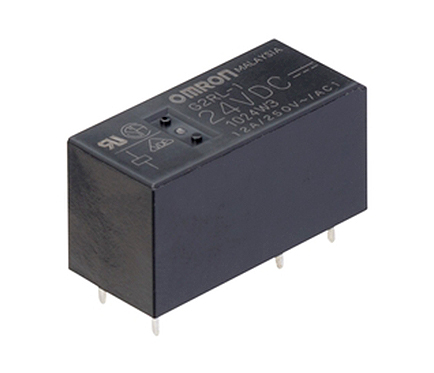
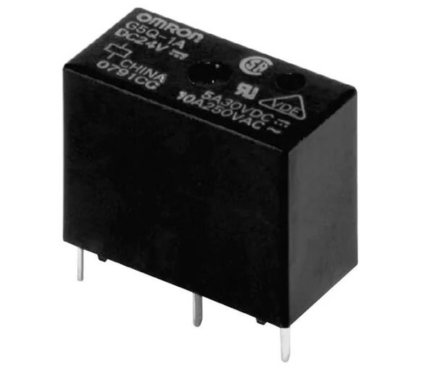
What is a PCB relay?
A PCB relay, also known as a printed circuit board relay, is an electronic device that plays a crucial role in controlling electrical circuits on a printed circuit board (PCB). It serves as an interface between the PCB and external electrical systems, providing the means to switch, control, or isolate the flow of electric current. The primary purpose of a PCB relay is to enable the efficient and reliable operation of various electronic devices and systems. By utilizing electromechanical or solid-state principles, these relays offer a versatile solution for controlling power circuits, protecting sensitive components, and facilitating signal routing.What are the key components of a PCB relay?
A typical PCB relay consists of several key components that work together to achieve its functionality. These components include:- Coil
- Contacts
- Switching Mechanism
- Actuator
- Housing
What are the advantages of PCB relays?
PCB relays are a reliable, space-efficient, versatile, and user-friendly solution for electronic systems and they offer numerous advantages for electronic systems. Here are some of those:- They provide exceptional reliability and durability, ensuring stable performance even under demanding conditions.
- Their compact size and space-saving design make them ideal for applications where space is limited.
- PCB relays are highly versatile and compatible with a wide range of applications, offering flexibility in system design.
- These relays are known for their ease of installation and maintenance, simplifying the process for technicians and reducing downtime.
What are the key features of PCB relays?
- Contact ratings and switching capabilities
- Coil voltage and power requirements
- Signal sensitivity and response time
- Electrical and mechanical lifespan
Factors to consider when choosing PCB relays
When selecting PCB relays, considering these factors empowers you to make an informed decision while choosing PCB relays for your specific needs.- Assessing load requirements and ensuring compatibility with the application's voltage and current specifications is essential to ensure reliable performance.
- Considering environmental factors such as temperature, humidity, and vibration levels helps determine the relay's suitability for the operating conditions.
- Evaluating signal integrity and noise immunity ensures optimal functioning in the presence of electrical interference.
- Weighing cost-effectiveness and availability enables making a practical choice that meets both budget constraints and procurement timelines.


