


Advantages of PIR Sensors:
- Reliable Motion Detection: PIR sensors excel in reliably detecting motion indoors, regardless of lighting conditions.
- Energy Efficiency: With low power consumption ranging from 0.8W to 1.0W, PIR sensors offer an energy-efficient solution.
- Cost-Effectiveness: PIR sensors are generally more affordable than Microwave Sensors, making them a preferred choice for various applications.
- Suitable for Compact Spaces: Their compact design makes PIR sensors ideal for smaller premises, contributing to their versatility in electrical applications.
Best Offer Available

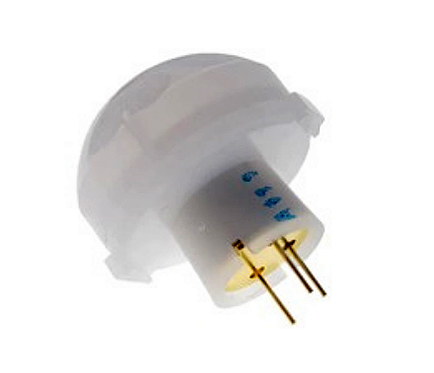
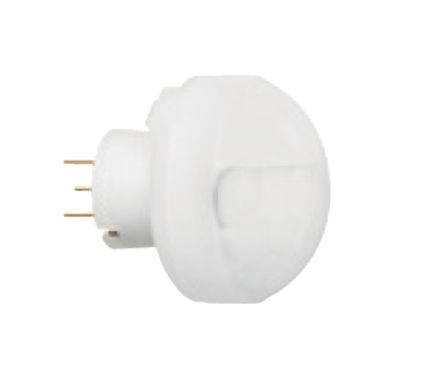
Disadvantages of PIR Sensors:
- Limited Sensitivity and Coverage: Compared to Microwave Sensors, PIR sensors have lower sensitivity and coverage.
- Temperature Constraints: PIR sensors are ineffective at temperatures exceeding 35 degrees Celsius, limiting their usability in certain environments.
- Line of Sight Dependency: Effective operation relies on a clear line of sight, posing challenges in corner regions.
- Insensitivity to Slow Motion: PIR sensors may not detect very slow-moving objects effectively.
- Temperature Sensitivity: Warm room temperatures can reduce sensitivity, impacting detection, particularly in warmer climates.
- Snoozing Issues: PIR sensors may deactivate even with minimal movement, leading to potential oversights in occupancy detection.
- Vulnerability to Tampering: The slotted detection zone of PIR sensors may be exploited by thieves, posing security risks.


