


Choosing the Right Relay: Power Relay vs. General Purpose Relay
Relays are essential components in various electrical and electronic applications, serving to control circuits by switching high-voltage or high-current loads. Two common types of relays are power relays and general-purpose relays, each with its own set of advantages and disadvantages. In this blog, we will explore the key differences between these relay types, their respective advantages and disadvantages, selection criteria for each, and provide real-world case studies to help you make informed decisions.Power Relays vs. General Purpose Relays: What's the Difference?
- Power Relays:
Advantages and Disadvantages of Power Relays
- Advantages:
- Disadvantages:
Best Offer Available
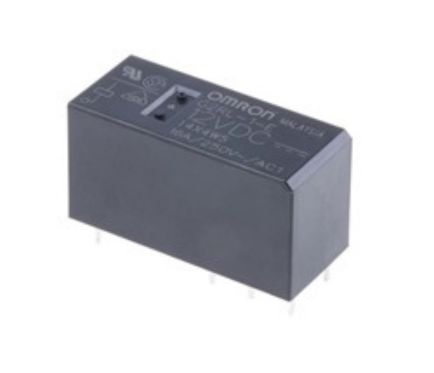
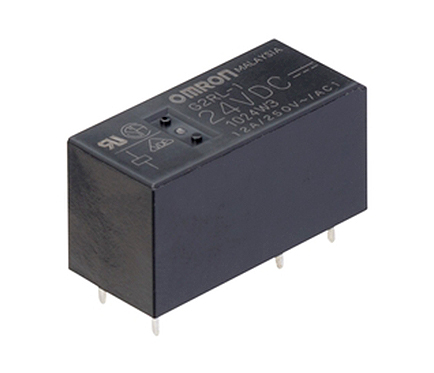
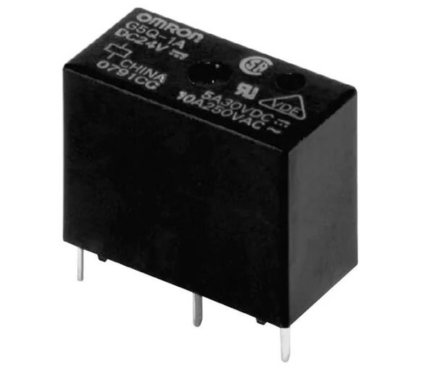
Advantages and Disadvantages of General Purpose Relays:
- Advantages:
- Disadvantages:
Selection Criteria for Power Relays
When choosing power relays, consider the following factors:- Load Requirements: Determine the current and voltage requirements of your application, ensuring that the relay can handle the load.
- Environmental Conditions: Consider the operating environment, as power relays are built for durability and may be more suitable for harsh conditions.
- Reliability: Assess the criticality of your application and select a relay with the appropriate level of reliability.
Selection Criteria for General Purpose Relays:
For general-purpose relays, these criteria are essential:- Application Flexibility: Ensure the relay's specifications match your application's power requirements.
- Space Constraints: Consider the available space, as general-purpose relays are more compact.
- Cost Efficiency:* Balance cost-effectiveness with the performance needed for your application.


