


What Are The Types Of Oxygen Sensors?
The most common and typical oxygen sensors are divided into two main categories. One is used in biological or organic applications like monitoring the environment and medical facilities. And the second is industrial oxygen sensors. Organic applications using oxygen sensors are used to monitor the oxygen level in humans using a ventilator. The amount of oxygen in the air had to assist human or organic existence. These sensors monitor and reveal blood oxygen levels or oxygen depletion protection alarms that take a look at low oxygen levels in enclosed areas. The second type, industrial oxygen sensors, monitors something from zero elements according to oxygen molecules using a quantity of as much as 100% natural oxygen. They are designed to monitor and detect oxygen levels in different settings. Such as dust and smoke, in some manufacturing industries.Shop Now
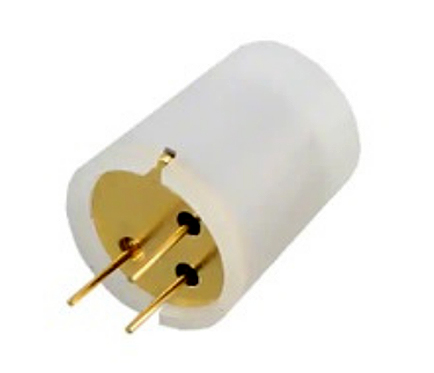
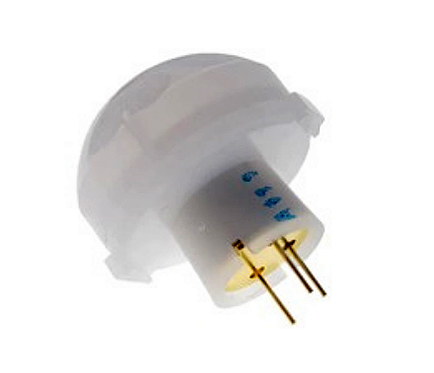
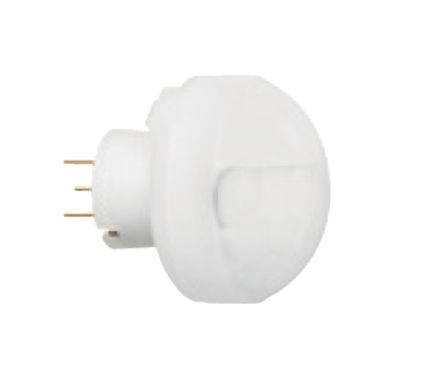
Why Should You Switch To Using Industrial Oxygen Sensors?
It would be best if you immediately started using air oxygen sensors. If you are using some air oxygen sensors, you should look for a better option, as taking this light might be more harmful and dangerous. We insist on using branded and high-performing industrial air oxygen sensors because there are several aspects of manufacturing and industry processes that an ordinary oxygen sensor cannot identify. Such aspects are:Monitoring Combustion Processes
For instance, the most common and typical industrial oxygen sensors are used in modern vehicles. These monitors reveal the quantity of oxygen in the exhaust pipe. The sensors permit the vehicle's control unit to recognize if the air-fuel combination is rich or lean. The control system will use this data to regulate the fuel combination accordingly, then waits for the oxygen sensor to fulfill the changes. This remarks loop effects in regular updates maximize fuel economic system and minimize exhaust fumes. Like cars, furnaces, and electricity plant life, air oxygen sensors reveal oxygen levels in smokestacks. Once the oxygen monitor in the exhaust system is known, the monitoring may be improved or reduced to improve the burning action. Like automobiles, that is essential because combustion without sufficient oxygen results in the manufacturing of carbon monoxide, a risky concoction. Another distinction of oxygen sensors for industrial uses is that they will be used to monitor from 0 to 100% oxygen level. Measuring Oxygen Level in Processes For instance, a trace oxygen sensor monitors oxygen levels according to million molecule elements. Trace oxygen sensors are used while even a small amount of oxygen molecules are not wanted in the application. For instance, trace oxygen sensors are to confirm argon purging for the duration of the welding of stainless metal. Stainless metal and a few different metals are sensitive to the presence of oxygen for the duration of welding. The oxygen chemically combines with the recent metallic as it's far being joined and weakens the bond. Purging solves this trouble with the aid of using displacing the oxygen with argon. Then the usage of a weld purge reveal to confirm there aren't any traces of oxygen when the welding begins. Another instance in which trace oxygen level is to measure the oxygen in Modified Atmosphere Packaging or controlled atmosphere. Modified ecosystem packaging (MAP) is the technique of putting off the oxygen in packaging foods, drinks, make-up, and prescription drugs to grow shelf existence. For instance, a computerized or handheld MAP oxygen analyzer can confirm trace oxygen levels in the packaged items or for spot-checking.Measuring 100% Oxygen
Industrial air oxygen sensors can measure up to 100% oxygen in the air, which is essential for verifying the purity of liquid oxygen in pressurized tanks and cylinders.- Medical which includes hyperbaric therapy
- SCUBA or underwater diving activities, underwater, protection, or aviation respiration gases
- Smelting, slicing, and welding metals
- Oxyacetylene welding
- Liquid propellant for rocket engines


