


Best Offer Available
What is the Need for an Acrylic Interface Pad?
Electronic and electric devices generate a high amount of heat. The heat generation process causes damage to the device and reduces its performance. The thermally conductive interface materials are used to transfer the heat successfully. The use of the right conductive material depends on the contact surface of the device. The requirement changes from application to application and will decide which material would be suitable to be used.How to Determine the Characteristics of Right Thermally Conductive Acrylic Interface Pads For Your Application?
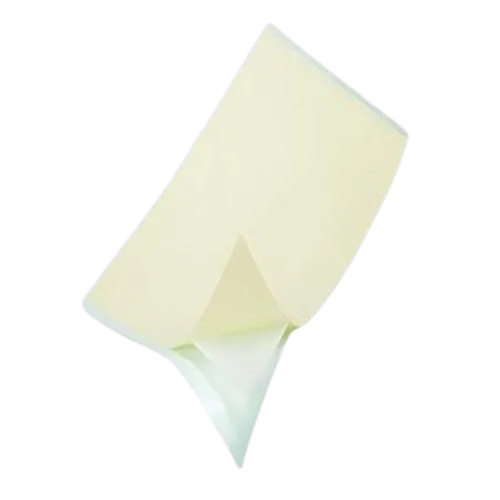
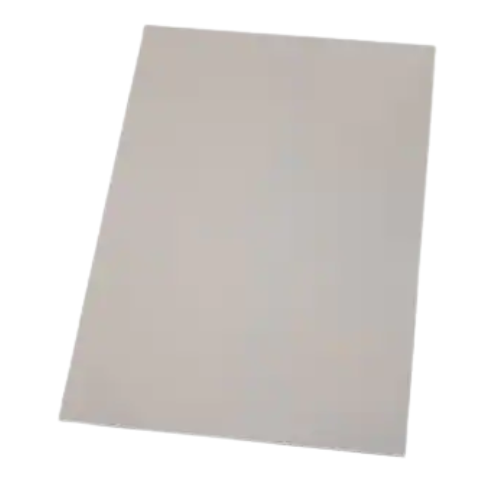
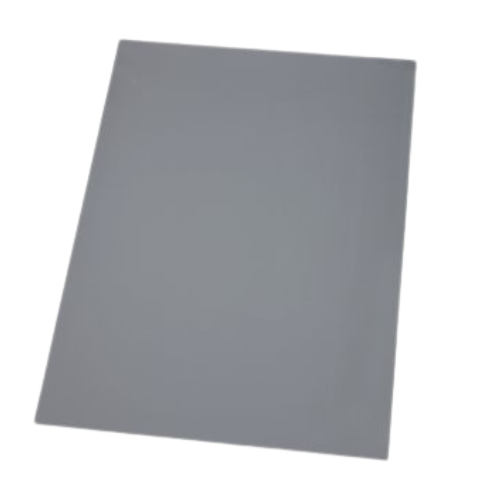
The conduction resistance is required in thermally conductive interface pads. The conduction resistance is seen when there isn’t close contact between two substrates. The 3M thermally conductive interface pad 5571 doesn’t need a clean and smooth surface to function properly. The conformity of the interface pads can be measured by the amount of hot air displaced once applied appropriately. Thin layers of the conductive materials will provide better combat capacity than thick layers. Thicker material may work better if the material wets out, which leads to less air becoming trapped. Thermal interface material may include an adhesive on one, both, or neither side. Another characteristic is easy to control for a die-cut or laser cut. The chosen path for a thermal solution is also required to determine before settling for proper and enough cooling of the device.Some Core and Basic Characteristics Are:
Thermal Conductivity- It is the ability to transfer the heat from a high heat-generating place to a low sensitive place. Conformability- It defines the ability to bend according to the surface and adjust to its shape. It clearly defines its usefulness in several applications. Dielectric Strength- It is the high performance to combine efficient heat transfer with electrical isolation properties. Versatility- This defines the different processes it can be used successfully and material selection and component configuration. Efficiency- This is another basic characteristic and the ease of use and handling. It will be beneficial during the assembling or manufacturing process. It also incorporates the effectiveness of the component delivery methods. Cost-Effectiveness- Any material becomes more desirable if it is cost-effective and doesn't put an economic burden on production. This characteristic can help in controlling the production cost and improving the performance and durability that is highly required.What Are the Applications?
Several applications and processes deploy acrylic interface pads for effective performance. Some of them are:- The acrylic pads can be used as gap fillers for small as well as bigger spots in electronic components.
- It can provide heat conduction in the IC packaging process.
- You can use 3M thermally conductive acrylic interface pad 5571to bond heat sinks.
- This is used in the process of chip manufacturing as it provides good conduction to the chip head.
- This thermal interface material can be used in the PCB boards of LED lights.
- Another very good and common application is in the display of smart TVs.
- This is also used in automotive, there are several small functions in Automotives that generate heat and need efficient conduction.
- It is successfully used in the process that requires some sort of chip on film for heat conduction.
- The 3M thermally conductive acrylic interface pad 5571can be defined as the core component of battery thermal management.
Benefits
- It has very good and high thermal conductivity.
- It also has good electrical insulation properties.
- The softness and conformability are desired features that prove to even out the non-flat surfaces.
- It also has a slight tack that allows pre-assembly.
- It also has a very good wet-ability. This feature is required for improved and lower thermal resistance.


