


Best Offer Available
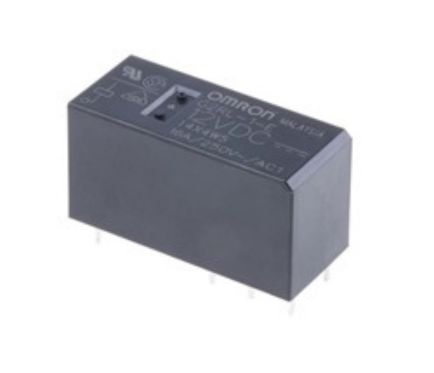
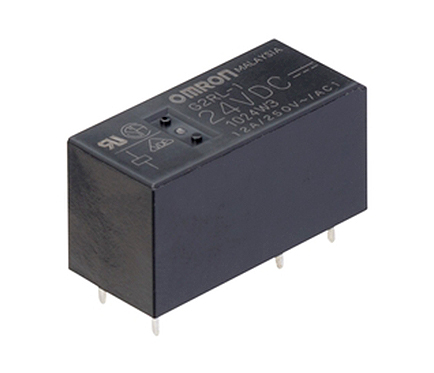
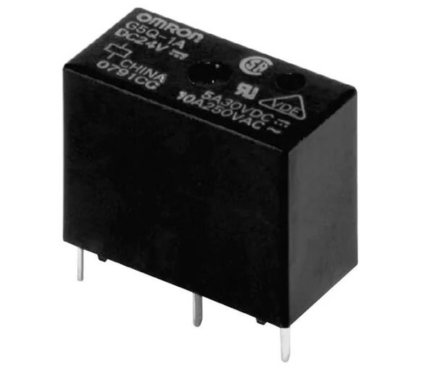
What are general-purpose relays and how do they function?
General-purpose relays are electromechanical devices that serve as essential components in various electrical systems. These relays are designed to control the flow of electrical current by opening or closing circuits in response to specific conditions or signals. They are commonly used for switching and control purposes, providing a reliable and efficient solution for a wide range of applications. The basic functionality of a general-purpose relay involves an electromagnet and a set of contacts. When a current passes through the coil of the electromagnet, it generates a magnetic field that attracts or repels a movable armature. This armature, in turn, causes the contacts to either close or open, allowing or interrupting the flow of electricity in the controlled circuit.What are the common applications of general-purpose relays?
General-purpose relays find extensive use in numerous industries and applications due to their versatility and reliability. Some of the common areas where these relays play a crucial role include: 1. Industrial Automation General-purpose relays (ADW1103HLW)are widely employed in industrial automation systems to control various devices, such as motors, pumps, fans, and solenoids. They provide a cost-effective solution for managing and switching electrical loads in factories, manufacturing plants, and process control systems. 2. HVAC (Heating, Ventilation, and Air Conditioning) General-purpose relays are integral to HVAC systems for controlling heating and cooling elements, motors, and compressor units. These relays ensure the precise and efficient operation of HVAC equipment, contributing to energy savings and climate control. 3. Lighting Control In lighting applications, general-purpose relays are used to manage the switching of lighting fixtures, including indoor and outdoor lighting systems. They facilitate manual or automated control of lighting circuits, enabling energy-efficient operation and customization of lighting setups. 4. Home Automation General-purpose relays form the backbone of home automation systems, enabling control over various electrical devices and appliances. They allow homeowners to remotely operate lights, security systems, garage doors, and other home automation components. 5. Automotive Systems General-purpose relays are utilized in automotive applications to control different electrical functions such as headlights, wipers, windows, and door locks. They ensure reliable switching and protection of circuits in vehicles, enhancing overall performance and safety. 6. Renewable Energy Systems General-purpose relays are essential components in renewable energy systems, including solar power and wind turbines. They facilitate the management and distribution of electrical power generated by these systems, ensuring efficient utilization and protection against overloads.Key Features of the General Purpose Relay Model
The ultimate general-purpose relay model stands out from the rest due to its exceptional key features, which make it a reliable and versatile choice for various applications. Here are its key features in more detail:- High-quality Construction and Durability
What are the common specifications of a general relay model?
When it comes to selecting the ultimate general-purpose relay model, having a clear understanding of its detailed specifications is crucial. Let’s explore the various aspects that make up these specifications, allowing you to make an informed decision for your specific requirements. 1. Input and Output Parameters The input and output parameters of a general-purpose relay are essential to know to ensure compatibility with your system. These parameters include the voltage and current ratings for both the input control signal and the output load. It is important to match the relay's input parameters with your control circuitry to ensure proper operation. 2. Contact Ratings and Switching Capacity Contact ratings and switching capacity indicate the maximum load that the relay can handle. This information is vital to determine whether the relay can safely handle the electrical current and voltage levels required for your application. Contact ratings typically include details such as the maximum current and voltage ratings for both resistive and inductive loads. 3. Coil Characteristics and Power Requirements Understanding the coil characteristics and power requirements of a general-purpose relay is crucial for proper integration into your system. Coil characteristics include parameters such as coil voltage and coil resistance, which dictate the control signal needed to activate the relay. Power requirements refer to the amount of power consumed by the coil during operation, which may impact the overall power consumption of your system. 4. Mounting Options and Dimensions The mounting options and dimensions of a general-purpose relay play a significant role in its installation and integration into your system. Common mounting options include PCB (Printed Circuit Board) mount, panel mount, and socket mount. It is important to consider the available space and the most suitable mounting option for your application. Additionally, understanding the relay's dimensions ensures proper fitment within your system. 5. Environmental Considerations and Certifications Environmental considerations and certifications are crucial aspects to evaluate, especially if the relay will be exposed to challenging conditions or used in specific industries. Environmental considerations include factors such as operating temperature range, humidity tolerance, and resistance to shock and vibration. Certifications like UL (Underwriters Laboratories) and CE (Conformité Européene) indicate compliance with safety and quality standards, giving you confidence in the relay's reliability and performance.Availability of Advanced Functionalities and Innovations
Generally used in electrical and automotive equipment, these general-purpose relay models are designed innovatively with a number of functions. Some of these are:- Intelligent Control Systems
Factors to Consider when Selecting a General Purpose Relay Model
- Load Requirements


