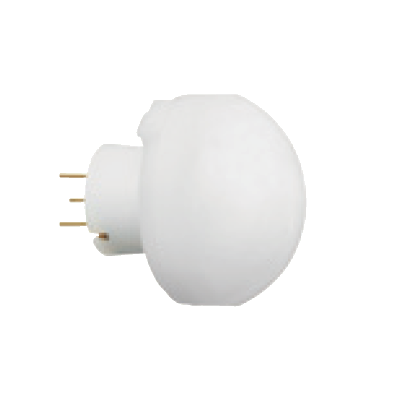
Industrial Humidity Sensors Supplier - E Control Devices


Industrial Humidity Sensors Supplier

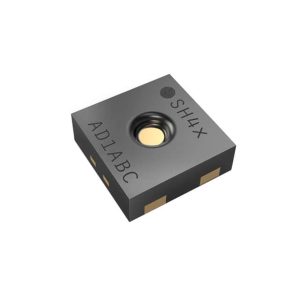
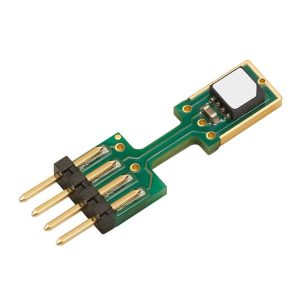
Looking for an Industrial Humidity Sensor Supplier and Distributor? Econtrol Devices offers high-precision industrial humidity sensors designed for manufacturing, HVAC, agriculture, and environmental monitoring applications. These sensors ensure accurate and reliable humidity measurement in demanding conditions.

We provide bulk order discounts and expert technical support. As a trusted supplier and distributor, we deliver top-quality solutions tailored to your needs.

Contact us today for bulk pricing and exclusive deals on industrial humidity sensors!

Showing 13–16 of 16 results

What is Humidity Sensor?

A humidity sensor is a device that measures the amount of water vapor in the air. It helps monitor and control moisture levels in various environments. These sensors are widely used in homes, industries, agriculture, and electronics to maintain ideal humidity conditions.

Humidity Sensor Types

There are three main types of humidity sensors:
  • Capacitive Humidity Sensors Measure humidity by detecting changes in electrical capacitance.
  • Resistive Humidity Sensors Work by measuring the change in electrical resistance in a hygroscopic material.
  • Thermal Humidity Sensors Use the temperature difference between dry and humid air to measure humidity levels.

Applications of Humidity Sensors

Humidity sensors are used in various industries and everyday products:
  • HVAC Systems – For controlling air conditioning and heating systems.
  • Weather Monitoring – In weather stations and forecasting tools.
  • Agriculture – To monitor soil and greenhouse conditions.
  • Medical Devices – For the proper functioning of equipment like ventilators.
  • Electronics – To protect devices from moisture damage.
  • Automobiles – To manage air circulation and avoid fogging.
  • Textile Industry – To maintain product quality during manufacturing.

Why Do We Need It?

  • Helps maintain comfort in homes and offices.
  • Protects sensitive electronic devices from moisture damage.
  • Ensures accurate environmental control in industries like agriculture and pharmaceuticals.
  • Improves air quality and prevents mold growth.
  • Supports energy efficiency by optimising HVAC systems.

FAQs

  1. What does a humidity sensor measure? It measures the moisture level or water vapor in the air.
  2. Where are humidity sensors used most? In HVAC systems, agriculture, medical devices, and electronics.
  3. Are humidity sensors accurate? Yes, especially capacitive and resistive types are very accurate.
  4. Do they require maintenance? Minimal maintenance is needed, but regular calibration helps.
  5. Can I use it at home? Yes, many smart thermostats and purifiers use humidity sensors.
  6. How is it different from a temperature sensor? A humidity sensor measures moisture, while a temperature sensor measures heat.
  7. What is the typical range of humidity sensors? Most sensors cover 0% to 100% relative humidity.
  8. Are these sensors expensive? Prices vary, but many consumer-grade sensors are affordable.
  9. Can humidity sensors detect water leaks? Not directly, but sudden spikes in humidity can indicate leaks.
  10. How long do they last? Most have a lifespan of 5–10 years, depending on usage and environment.

Submit Your Enquiry